Seasonality
Nécessaires au fonctionnement du site (popup newsletter, préférences). Ne peuvent pas être désactivés.
Audience measurement anonymisée — pages visitées, durée de session, type d'appareil. Aucune donnée publicitaire.
Fonts loaded from Google servers (Playfair Display, Source Sans 3).
The beverage aisle has one of the most pronounced seasonal curves in the whole grocery category. Sales can double between January and July, and on some references they triple. The main drivers:
The difficulty is that this seasonality hits every distributor at exactly the same moment. When you need more Coca-Cola, so does your competitor. Conventional suppliers saturate, lead times stretch, and stockouts multiply.
Shelf stockouts on carbonated soft drinks in French retail rise sharply between January and July. The majority of them are avoidable with a properly structured sourcing plan.
The worst mistake is waiting until May to start thinking about summer. By then it is already too late — serious suppliers have committed their summer production.
From February or March, build a six-month forecast by cross-referencing three inputs: your prior-year sales month by month and reference by reference, seasonal weather outlooks, and your promotional calendar. Share that calendar with your supplier so they can plan their own logistics around it.
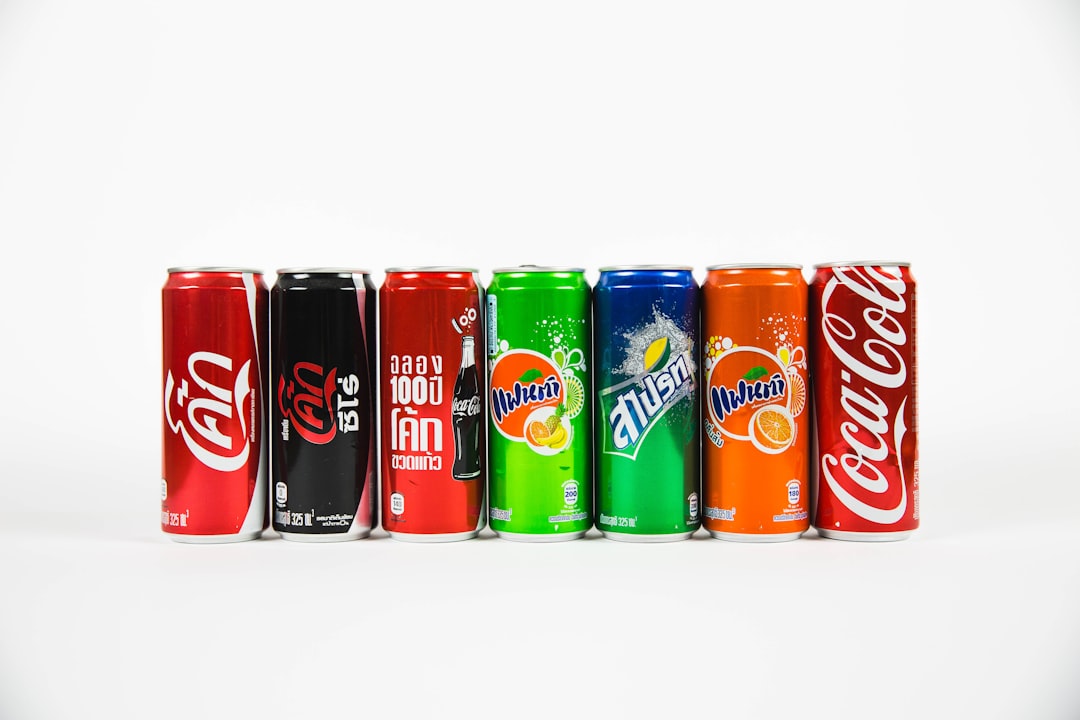
On the most seasonal references — Fanta Orange first, followed by Sprite and the seasonal Red Bull Editions — build a buffer stock from April covering 15 to 20 days of forecast July sales.
Yes, this ties up working capital temporarily. It is still cheaper than stockouts, emergency orders at punitive rates, and the loss of confidence among your own customers.
Never depend on a single supplier for your most strategic references. On Coca-Cola Classic 33cl you should have at least two validated sources able to take over if one fails.
Martigane can be your primary supplier — that is what creates depth in a commercial relationship — but keep a fallback for extreme peaks. This is simply risk management.
Summer is, paradoxically, the best moment to introduce new references to your range. Overall consumption is high, rotation is fast, and competitive promotions are less aggressive than in winter.
Seasonal Red Bull Editions — watermelon, tropical — are particularly well placed to generate consumer trial in summer, as are Fanta's rotating flavours. A mixed pallet lets you bring in these novelties without committing to a full pallet of a single reference.
The classic September trap: overstocked on summer references, particularly Fanta, which stop moving, while under-anticipating the back-to-school references such as Coca-Cola Classic 1.5L and Red Bull Original.
From mid-August, recalibrate your mix. Reduce Fanta orders. Increase family PET bottles, since weekend sales grow once term starts. Prepare the transition into the autumn and winter season. The best buyers make their margin on the way out of summer, not during it.
Customers on our seasonal programme get specific follow-up:
Few food wholesalers offer this; most simply sell volume against spot demand. Our view is that beverage seasonality is too important to be left to chance.
Our team helps you build your annual sourcing calendar. Free consultation, no commitment.
Build my seasonal plan ← All articlesInstitut Martigane is the professional resource centre of Martigane SAS, a B2B food distribution specialist based in Lille. Our guides are written for wholesalers, purchasing groups and retail buyers in France, Belgium and the United Kingdom.
253, Boulevard de Leeds
59777 Lille — France